Dear Friends,
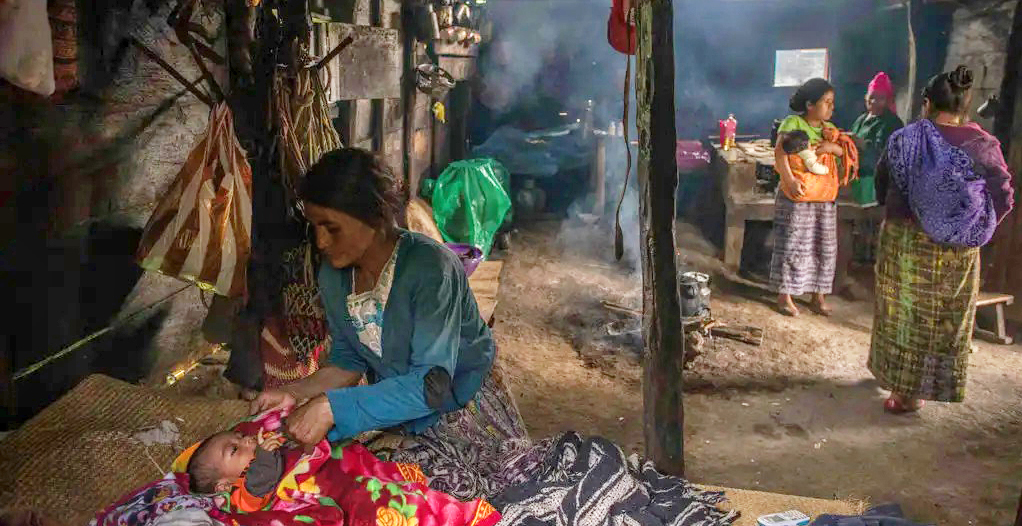
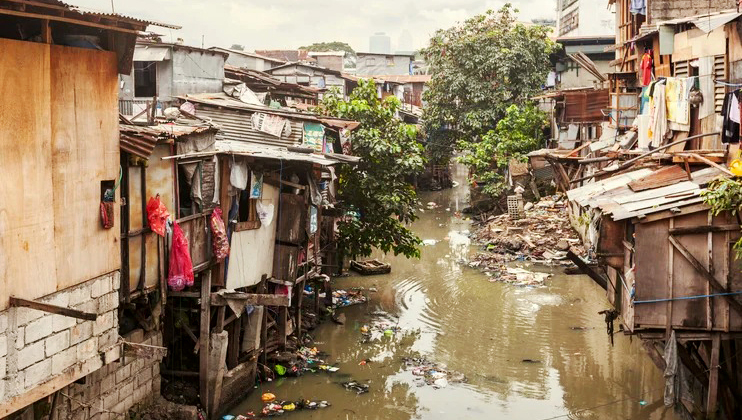
Poverty is a persistent and severe issue for Guatemala's indigenous population, who face deep socioeconomic disparities compared to the rest of the country. They make up about 40% of the population and are disproportionately affected by poverty. Many live in rural areas where access to basic services such as education, healthcare, and clean water is limited. Sadly, the poverty rate among indigenous communities is estimated to be over 70%, far higher than the national average.
Historical marginalization, racism, and exclusion from political and economic decision-making have perpetuated these inequalities. Education levels are lower among indigenous populations, and language barriers further hinder access to government programs and opportunities. Discrimination and lack of representation in political spaces also contribute to their continued impoverishment. |
The poverty rate among indigenous communities is estimated to be over 70%. |
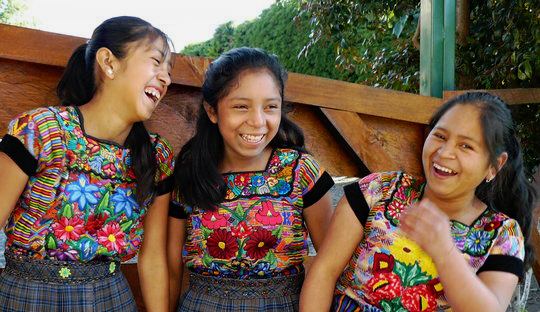
"Luminarias is a program for young adolescent girls who come from dire poverty," explains Hugh McElroy, Founder of Luminarias. "What we do is two-fold. Number one, give them a formal education so they can get a job and avoid living in poverty once again. The second focus is the formation of confident, strong women who will be positive influences and leaders in their communities someday."
In Guatemala, girls, particularly those from indigenous and rural communities, face significant marginalization that limits their access to education and career opportunities. Cultural norms, poverty, and gender inequality contribute to a system where many girls are kept out of school and forced into traditional roles, often as caregivers or laborers within the household. As a result, the education gap between boys and girls remains wide, with girls receiving less formal education and fewer chances for upward mobility.
|
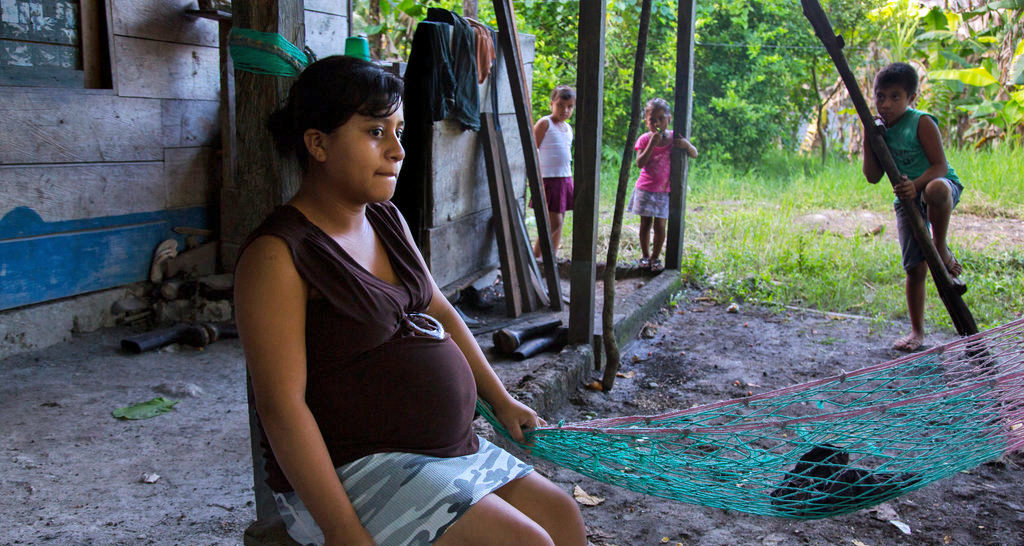
In the villages of Guatemala, around 53 percent of women age 20 to 24 were married before age 18. |
Child marriage is pervasive in more than 50 countries, with girls in rural areas of developing nations especially vulnerable. More than 13% of Guatemalan girls were married before age 15, according to the Population Council. Many of these girls face harsh consequences, similar to those of child brides in other developing nations. They withdrew from their educations, some as early as elementary school; were subject to physical and sexual violence; risked dangerous pregnancies and went without crucial medical care.
“During my early visits, it absolutely astounded me to see corn-stalk walls, aluminum roof, dirt floor as well as no running water or flush toilets over, and over, and over again,” Hugh continues. “Adolescent girls have no chance for education or personal development, because there are no resources in the family.”
Please join us as we make a difference in the lives of these valued individuals as we light a way forward for Guatemalan girls! |
|
|
You are being sent this email because you are a subscriber.
If you wish to update your Email Preferences or Unsubscribe, click *{{Unsubscribe}}* |
|
|
|